
Maintenance Tips for Your Bottega Desires Garment: Tips to Keep It Fresh
The upkeep behind a shirt determines its lasting value, something especially relevant to anyone who has invested in a Bottega Desires shirt. The brand has built a reputation on sharp, uncluttered shapes, thoughtfully selected materials, and craftsmanship that pays off with proper care rather than carelessness. If you landed on this page while looking up what is Bottega Desires, put simply it’s a label operating in the contemporary fashion space, not to be confused with Bottega Veneta despite the similarity in naming. We won’t dwell on that distinction here, but rather about a more hands-on issue: how do you keep your shirt looking new after the tenth, twentieth, or fiftieth wash?
Almost never the fun part, looking after clothing still determines whether a piece remains in rotation for two years or a full decade. Shirts soak up body oils, perspiration, and daily dirt at a quicker rate than thicker items such as a Bottega Desires hoodie, given that they sit closer to the skin and see more frequent rotation. Learning about the weave, the seam work, and the finishing processes applied during manufacturing will help you avoid the common mistakes that reduce a shirt’s longevity. Below, we break down laundering, drying, storage, and stain treatment, along with a comparison table illustrating how shirts compare to other pieces in the Bottega Desires clothes lineup.
What to Understand About the Material Prior to Laundering
Since every Bottega Desires shirt begins from a particular weave type, how it should be treated comes down to that weave.
Take cotton poplin as an example—it copes with machine washing much more reliably than a brushed twill or an elastane blend would.
Make sure to inspect the bottega desires oversized tee care tag for fiber content and washing symbols before putting anything into the machine—assuming wrong can ruin the piece.
Medium-weight cotton, roughly in the 120 to 160 GSM territory, appears across many shirts in this range; it’s breathable but apt to shrink when exposed to high wash temperatures.
Water temperature matters more than most people realize. Washing at 30°C rather than 40°C or higher reduces shrinkage risk by a noticeable margin and preserves color saturation, particularly on darker shirts where fading is more visible. If the shirt has printed graphics or embroidered logos, turning it inside out before washing protects the design from friction against other fabrics in the drum. This single step extends the crispness of prints by several wash cycles, based on general textile care standards applied across casualwear brands.
Which detergent you use also matters that’s easy to underestimate. Harsh detergents with a high alkaline makeup strip the cotton’s natural fibers over time, leaving the fabric feel thinner and less structured. Using a mild, pH-balanced detergent at the suggested amount—not a heavy pour—helps maintain the shirt’s hand-feel in good condition for longer. Avoiding fabric softener with cotton shirts is also a good idea, since softeners build a film over the fibers and can reduce breathability, which makes a difference if you’re pairing the shirt with layered pieces like Bottega Desires shorts or jorts during warmer months.
Drying Without Damaging Form
Tumble drying feels convenient, but it’s one of the fastest ways to age a shirt prematurely. High heat drying can shrink a 100% cotton shirt by up to 5% in the first few cycles alone, which changes the fit permanently. Air drying, ideally on a flat surface or a wide hanger that mimics the shoulder line, keeps the garment’s shape true to its original cut. This matters more for shirts than for a Bottega Desires hoodie, since hoodies are cut looser and more forgiving of minor shrinkage.
Unfiltered sunlight, even though it’s good for zapping bacteria and freshening fabric, also accelerates color fading, particularly with intense shades such as navy, black, or burgundy. Drying in a shaded, well-ventilated spot strikes the right balance between hygiene and color retention. If you’re in a rush and must use a dryer, a low-heat setting combined with removing the shirt slightly damp and finishing with air drying reduces the shrinkage risk considerably.
The pressing step is worth calling out on its own. A shirt fresh out of the dryer wrinkles less, but pressing the fabric while it’s still a touch moist, with the iron set to a moderate heat suited to cotton, creates the cleanest, most crisp finish. Using a steamer offers a milder option that sidesteps the chance of scorch marks, particularly useful for shirts with any synthetic trim or printed detailing. Regardless of the technique selected, make it a rule to flip the shirt and iron from behind whenever a front-placed design is present, since direct heat on ink or vinyl prints can cause cracking within a handful of wears.
Safekeeping and Everyday Use
The longevity of a shirt is affected almost as much by how you store it between wears as washing. Using wooden or padded hangers, rather than wire ones, guards against shoulder warping, a common issue that lends shirts a crooked, sagging shape after several months. Because wire hangers concentrate weight into two thin points, visible bumps form at the shoulder seam as time goes on.
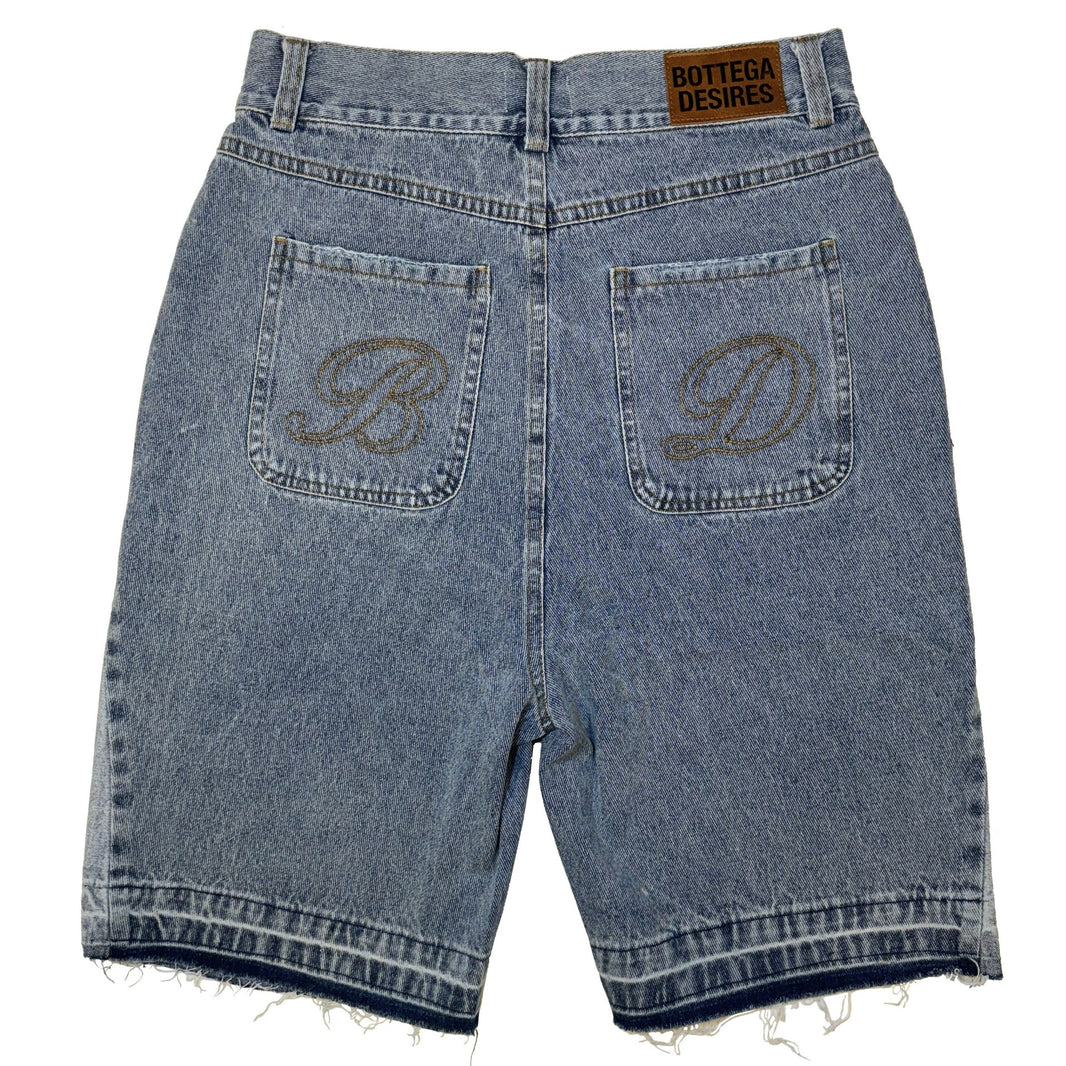
Wear rotation matters too. Putting on the same shirt two or three days in a row without laundering it hastens fabric breakdown at high-friction spots like the collar and cuffs. Owning at least three to four shirts in rotation, and matching them alongside other Bottega Desires pieces like shorts for warmer days, distributes wear uniformly and gives each piece time to regain its form between washes. The fibers in fabric need rest, similar to shoes, and constant wear without a break flattens and degrades the weave sooner than anticipated.
Drawer storage works fine for casual shirts, though repeatedly folding along one crease, can leave a permanent mark, especially on lighter fabrics. Switch up the fold periodically, or opt for hanging when there’s drawer room, to keep the weave even. When storing seasonal items, like swapping a Bottega Desires shirt for cooler-weather layers, opt for garment bags that breathe, which prevent dust buildup but don’t trap moisture — moisture being the real enemy of mildew and musty smells.
Removing Marks Calmly
Stains happen, and how quickly you respond decides whether they become permanent. Rinsing with cold water right after it happens, before it has time to set, lifts out a significant percentage of oil-based marks before they bond with the fabric fibers. Warm water, ironically, is the wrong initial response for most stains since heat causes proteins in substances like food or sweat to set deeper into the weave.
Oily stains are best treated with a small amount of dish soap applied directly, rubbed in softly by hand, then rinsed — outperforming most dedicated stain products. Sweat marks near the collar lift effectively with a mixture of baking soda and water left on for 15 to 20 minutes before washing, especially with multiple attempts. Ink, more stubborn, often need isopropyl alcohol, applied with care from the fabric’s back, pushing the stain out instead of further into the weave.
No matter the type of stain, trying any remedy first on a hidden inner seam beforehand avoids the risk of discoloring the outward-facing fabric. Patience matters here too, since a stain that doesn’t lift after one wash often responds to further attempts rather than aggressive scrubbing, which can weaken the fabric and leave a worn patch that is more noticeable than the original mark.
Bottega Desires versus Bottega Veneta: A Fast Comparison of Care
Because people commonly type Bottega Desires vs Bottega Veneta side by side, it’s worth noting that maintenance routines for budget-friendly contemporary shirts differ somewhat from those for luxury house pieces, largely owing to how heavy the cloth is and how complex the stitching is. Bottega Veneta desires as a search term reflects part of this mislabeling between the two names, but in terms of care, contemporary cotton shirts such as the ones from Bottega Desires are typically less fussy and easier to maintain at home without professional cleaning.
| Maintenance Factor | The Bottega Desires Shirt | The Bottega Desires Hoodie | The Bottega Desires Shorts/Jorts |
|---|---|---|---|
| Suggested Washing Temperature | 30°C | 30-40°C | 30-40°C |
| Tumble Dry Safe | Only on a low setting | A mild-to-moderate heat setting | Medium heat generally safe |
| Ironing Needed | Required, at medium warmth | Seldom needed | Not often necessary |
| Shrinkage Risk | Fairly notable to significant | Low | Minor to fairly moderate |
| Recommended Storage | Hanger | Stored flat | Folded |
Why shirts need more careful handling than bulkier garments becomes clear by this chart. A hoodie’s thicker knit holds up against shrinking and creasing considerably better, while jorts, being denim-based typically, withstand warmer washes without fading as easily as a graphic cotton tee.
Final Thoughts on Everyday Maintenance
Recurring praise for the fit and fabric feel of the brand’s shirts surfaces in every Bottega Desires review you find online, yet hardly any reviews really cover aftercare—often the very element that decides whether a garment lasts over time. Giving a shirt proper care from day one sets the tone for how it performs over its entire lifespan, whether that’s fifty uses or two hundred. Minor routines, like laundering in cold water, air-drying flat, and cycling through garments, accumulate into a marked improvement in holding onto color, shape, and fabric integrity.
Caring for a Bottega Desires shirt isn’t difficult, ultimately—it just needs deliberate care instead of thoughtless washing. The benefit for that small effort is a shirt that remains sharp-looking well after the trend cycle has moved on, holding its shape and color far better than pieces treated with less attention. Combine mindful maintenance with rotating in other Bottega Desires garments, and the entire wardrobe gains from these same habits.